How to Make a Bakery Website That Brings in Orders

Updated: Sep 12, 2025
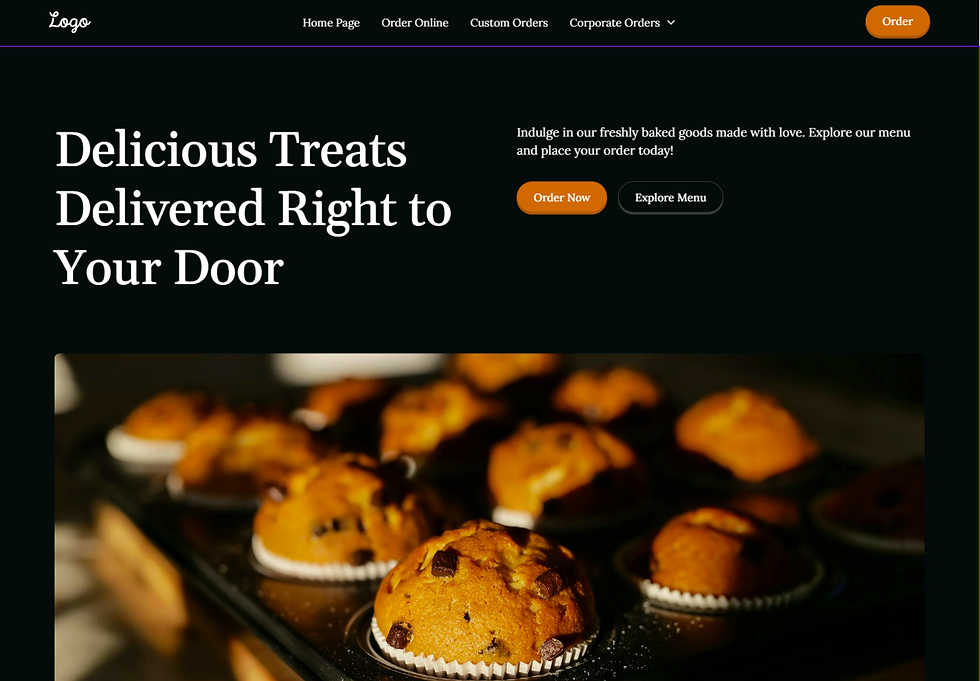
Running a bakery is about sharing joy with fresh cakes and cookies. But today, the smell alone will not bring customers to your door. Most people search online first when they want to order desserts, check menus, or find a local bakery. That is why having a website is not just nice to have, it is essential.
I have worked with many bakeries, from home-based shops to busy storefronts. Each time, the right website made it easier for customers to discover them and place orders. In this guide, I will explain why your bakery needs a website, how to set one up step by step, and what you need to know to sell baked goods online.
Whether you are just starting or want to grow your online presence, this post will give you clear steps to get it right.
How to Make a Bakery Website in 6 Steps
1: Choose Your Domain and Hosting
Your bakery’s website begins with a name, known as a domain. Think of it as your shop’s address on the internet. Keep it short, simple, and easy to remember. For example, if your bakery is called OJS Bakery, ojsbakery.com works better than something long or confusing.
Next, you need web hosting. Hosting is the service that puts your website online, like renting space for your bakery on the internet. Most hosting providers also let you register your domain at the same time, which makes things easier.
You might wonder which companies to use. For domains, popular choices are GoDaddy, Namecheap, and Google Domains. For hosting, many bakeries use Bluehost, SiteGround, or HostGator because they are affordable and beginner-friendly. If you want an all-in-one option, Wix and Squarespace include both hosting and domain registration in their plans. I use Wix for most of the bakeries I work with because it is easy to use, affordable, has strong features, and offers great support.
From working with bakeries, I suggest choosing a short, professional domain because it builds trust. For hosting, go with a provider that offers good speed, strong security, and reliable support. That way, your site runs smoothly and customers can always reach you.
2: Select a Website Builder
Once you have your domain and hosting, it is time to build your bakery website. The good news is you do not need to be a tech expert. Website builders like Wix, Squarespace, or WordPress make it easy to create a professional site without writing code.
Most of these platforms already offer bakery templates. They often include menu pages, image galleries, order forms, and other features you need. You can then add your own photos, colors, and text to make it feel personal.
From my experience working with bakeries, choosing the right builder saves a lot of time. I use Wix for most bakeries I help because it has clean, mobile-friendly templates, strong features, and good support. WordPress is also a solid choice if you want more control or plan to grow your website over time.
The key is to pick what fits your comfort level and goals. If you want something quick and simple to update, go with a user-friendly builder like Wix. If you want maximum flexibility, WordPress gives you that. Either way, starting with a bakery template gives you a strong base so you can focus on your baking.
3: Design Your Bakery Website
This is the fun part: showing your bakery’s personality online. Your website should feel warm and inviting, just like your shop. Think of it as decorating your storefront, only in digital form.
Start with your branding: colors, fonts, and logo. If your bakery already has a style, carry that over to your site. It might be soft pastels, rustic charm, or a bold modern look. Keeping things consistent helps people recognize and remember your brand.
Next, focus on a simple design. Use clear navigation with pages like Home, Menu, About, Contact, and Order Online. Avoid clutter. People visit your site to see what you offer, look at photos, and place an order.
Good photos are essential. Nothing sells a cupcake better than a clear, close-up picture. If possible, invest in professional photography. If not, take bright, sharp photos in natural light.
From working with bakeries, I’ve seen how small design changes can improve sales. For example, one bakery added a big “Order Now” button right on the homepage, and orders went up almost immediately. Simple choices like this can make a big difference in how people use your site.
The goal is not just to make your website pretty, but also easy to use. If visitors can find what they need in one or two clicks, they are more likely to place an order.
4: Add Content to Your Bakery Website
Once your design is ready, it is time to add content that connects with your customers. Content is not just words. It is the story, photos, and details that make people trust you and get excited about your baked goods.
Start with the basics every bakery website needs:
Homepage: A friendly welcome, a short intro about your bakery, and a clear button like “Order Now” or “View Menu.”
Menu Page: Show your baked goods with photos, short descriptions, and prices. Keep it easy to scan and organized.
About Page: Share your story. Customers enjoy knowing who is behind the recipes because it makes your bakery feel personal.
Contact Page: Add your phone number, email, social media links, and shop location if you have one. If you deliver, list your delivery areas clearly.
Photos and descriptions matter. A plain title like “Chocolate Cake” will not grab attention. Instead, say “Rich chocolate sponge layered with smooth buttercream and finished with a silky ganache drip.” Words and images work best when they work together.
From helping bakeries with their websites, I have seen how stories make content stronger. One client added a short note about how their grandmother inspired a cookie recipe, and it instantly made their brand feel more real. Customers often buy the story and meaning along with the dessert.
The key is to keep your content clear, friendly, and genuine. Write as if you are talking directly to your customers and let your love for baking show.
5: Set Up eCommerce System
Now that your website looks good and has the right content, it is time to make it ready for sales. Adding eCommerce tools turns your site from a digital brochure into an online shop where customers can place orders with just a few clicks.
The first step is a shopping cart and checkout system. Most website builders like Wix, Squarespace, and WordPress with WooCommerce already include this or let you add it on. These tools allow customers to browse your menu, add items to their cart, and check out easily and securely.
Next, set up payment options. Popular services like PayPal, Stripe, and Square are easy to connect and give customers flexibility. Many people prefer paying with cards or digital wallets, so the more options you offer, the smoother the checkout will feel.
You also need delivery and pickup settings. If you deliver, set up zones, fees, and time slots. If you offer pickup, let customers choose a date and time that works for them. From working with bakeries, I have seen that clear delivery and pickup options reduce confusion, cut down on back-and-forth messages, and help avoid cancellations.
To boost sales, consider adding extras such as:
Discount codes for new buyers or seasonal promotions
Gift cards for holidays and special occasions
Subscription boxes for regular deliveries of bread, cookies, or cakes
The key is to keep checkout fast, secure, and simple. If the process feels smooth, customers are more likely to finish their order and return again.
6: Optimize for SEO
Once your website has design, content, and eCommerce tools in place, you need to make sure people can actually find it. That is where SEO (Search Engine Optimization) comes in. Think of SEO as making your bakery easy to spot on a busy street. The better you optimize, the higher your site shows up on Google when someone searches for things like “cupcakes near me” or “custom cakes in Dallas.”
Here are a few simple but effective SEO steps:
Use local keywords: Add phrases like “Atlanta bakery,” “best cookies in Chicago,” or “custom wedding cakes in Dallas” naturally throughout your site. Most of your customers are nearby, so local SEO is key.
Optimize your images: Rename photo files with clear names (for example, red-velvet-cake.jpg instead of IMG123.jpg) and add alt text. This helps Google understand your images and can get your treats to show up in Google Images.
Write meta titles and descriptions: Each page should have a short, clear title and description. For example: “OJS Bakery – Custom Wedding Cakes in Houston, TX.”
Make your site mobile-friendly: Most people will look you up on their phone before ordering or visiting. Google also ranks mobile-friendly sites higher.
Start a blog: Share recipes, baking tips, or behind-the-scenes stories. A blog gives your site fresh content, which Google rewards, and helps build trust with customers.
Set up a Google Business Profile: This helps you show up on Google Maps and local searches. Add your bakery’s address, hours, photos, and menu. Ask happy customers to leave reviews.
Keep business info consistent: Make sure your bakery’s name, address, and phone number match exactly across your site, Google, and social media. Inconsistent info hurts rankings.
Improve site speed: A slow site drives visitors away. Compress images, use good hosting, and limit extra plugins or apps.
Add internal links: Link your pages together, like from your homepage to your menu, or from a blog post to your order page. This helps both Google and your customers navigate your site.
Even small SEO updates can make a big impact. For example, one bakery I worked with jumped into the top 3 results for “wedding cake in Oklahoma” just by updating their product descriptions and meta tags.
The goal is not to trick Google. It is to make your site clear, helpful, and easy to find for people searching for what you offer.

How to Sell Baked Goods Online
Having a nice website is only the first step. Now you need to make it work for sales. Selling baked goods online may feel intimidating at first, but with the right setup, it can be simple and profitable. I have helped many bakeries make this shift, and the results are often clear: more orders, loyal customers, and better visibility.
Here are some practical strategies to help you sell baked goods online:
Set up clear product listings: Use quality photos and detailed descriptions. Do not just say “Lemon Cupcake.” Instead, describe the flavor, texture, and size so customers can imagine it before ordering.
Offer multiple ordering options: Some people want to order ahead for pickup, others prefer local delivery, and some may want shipping if your products allow it. Choices expand your reach.
Be upfront about policies: Share order cut-off times, minimum quantities, and delivery fees. Clear rules avoid confusion and build trust.
Highlight seasonal and custom items: Holidays, birthdays, and weddings bring big opportunities. Add banners or pages for special treats and custom orders.
Promote bundles and gift boxes: Variety packs like a “Cookie Sampler Box” or “Cupcake Dozen” often sell better than single items.
Use email marketing: Collect emails during checkout or through a signup form. Send updates about new products, holiday specials, and discounts. From my experience, bakeries that use email see repeat orders much faster.
Leverage social media: Instagram, Facebook, and TikTok are great for showing off your creations. Link your posts directly to your website so customers can order instantly.
Encourage reviews and testimonials: A few positive reviews on your site or Google can push new customers to place their first order.
When I worked with a home bakery in Atlanta, we added local delivery options and a cookie bundle box. Their monthly sales doubled almost right away. Customers loved the convenience of ordering and receiving fresh treats at their door.
The bottom line: selling baked goods online is about making it easy, clear, and tempting for customers to order from you. With a professional website and simple sales strategies, you can open a steady stream of online income for your bakery.
Legal Considerations for Bakery Businesses
Before you start selling baked goods online, you need to make sure your bakery is legally set up. This part may not feel as exciting as designing your website or posting cake photos on Instagram, but it is essential for protecting both you and your customers. From working with bakeries, one thing I always stress is this: get the legal side right from the start.
Here are some key legal steps for food businesses in the U.S:
Business Licenses and Permits: Most states require a business license. Some cities and counties also have their own permits. Check your local rules to make sure you are covered.
Cottage Food Laws: If you bake from home, research your state’s cottage food laws. These explain which baked goods you can sell from a home kitchen, what labels you need, and where you are allowed to sell.
Food Safety Requirements: Some states require food handler certifications or inspections, even for home-based bakeries. These rules help ensure safe baking and storage.
Taxes: Depending on your state, you may need to charge sales tax on baked goods. Make sure you are registered and keep clear records.
Labeling and Allergens: Always list ingredients clearly, especially allergens like nuts, dairy, eggs, or gluten. In many areas, this is legally required, and it also builds trust with customers.
The takeaway is simple: do your homework early. Every state has slightly different rules, so check with your local health department and small business office before you launch. Getting this right from the beginning saves you problems later and gives customers confidence in your bakery.
Other Essentials for a Bakery Website
Along with design, content, sales tools, and legal setup, there are a few more things that can make your bakery website stronger and more reliable. These are not complicated, but they can make a big difference for both you and your customers.
Keep your site secure: Make sure your website uses SSL (look for https in the address bar). Always use trusted payment providers like PayPal or Stripe, and keep your website software updated. This protects your business and gives customers peace of mind.
Focus on the customer experience after checkout: Send automatic order confirmations, include clear pickup or delivery instructions, and follow up with a thank-you or request for a review. Small touches like this make customers more likely to return.
Track your results: Tools like Google Analytics or the built-in stats in Wix show you where visitors come from, which products sell the most, and what pages people click. These insights help you make smarter decisions about your menu and promotions.
Make your site accessible: Use easy-to-read fonts, add text alternatives to images, and keep good color contrast. Accessibility helps everyone use your website and also shows professionalism.
These steps do not take much extra effort, but they make your website safer, easier to use, and more effective in building trust and loyalty.
FAQs About Bakery Websites
1. Do I really need a website if I already use Instagram or Facebook to sell my baked goods?
Yes. Social media is great for visibility, but a website gives you more control. Customers can browse your menu, place orders, and trust that your bakery is professional and reliable.
2. How much does it cost to build a bakery website?
It depends. If you use a DIY website builder, the monthly cost can be as low as a few dozen dollars. If you hire a professional, the cost could range from a few hundred to a few thousand dollars, depending on design and eCommerce features.
3. Can I take online payments through my bakery website?
Yes. Tools like PayPal, Stripe, and Square let you accept credit cards and digital wallet payments directly on your site. Customers appreciate the convenience.
4. How do I make sure people actually find my website?
Use SEO. Add local keywords (like “custom cakes in Oklahoma”), create a Google Business Profile, and keep your website updated. These steps help you show up in local searches.
5. What if I’m not good with technology?
That is okay. Many website builders are simple to use. If you prefer not to handle the tech side, you can work with a professional who specializes in bakery websites. That is what I do.
6. Can I manage orders from my phone?
Yes. Most website builders, including Wix, have mobile apps or dashboards that let you view and manage orders on the go. This makes it easy to keep track of sales without being tied to a computer.
7. Do I need professional photos for my website?
Professional photos are great, but not required. Clear, well-lit pictures taken in natural light can work just as well. The key is to make your baked goods look fresh and inviting.

Need Help Creating Your Bakery Website?
If all of this feels overwhelming, you are not alone. I have worked with many bakeries, from home-based kitchens to storefront shops, and I know how hard it can be to balance baking, taking orders, and managing the tech side. That is why I offer a bakery website creation service made just for bakers.
Here is what I can help you with:
Setting up your domain, hosting, and website builder so you do not have to worry about the technical side.
Designing a clean, bakery-focused website that matches your brand and shows off your products.
Adding menus, product pages, and order forms so customers can place orders with ease.
Integrating eCommerce tools for payments, delivery, and even subscriptions.
Optimizing your site for local SEO so people in your area can find you on Google.
The best part is that I already know what works for bakeries because I have built so many of these sites. Whether you are starting a bakery from home or running a shop ready to grow, I can save you time, reduce stress, and help you start taking orders online faster.
If you are ready to take your bakery online the right way, let’s connect. I will make sure your website looks professional, runs smoothly, and helps bring in sales so you can focus on what you love most: baking.
Wrapping It Up
Creating a bakery website may feel like a big project at first, but step by step, it becomes much easier and absolutely worth it. With the right domain, design, content, eCommerce tools, and SEO, your bakery can reach more people, sell more treats, and build stronger connections with customers.
I have seen how a good website can transform bakeries. Home bakers have gone from occasional orders to steady custom work. Storefronts have doubled their sales by adding online ordering. A website is more than just a digital menu. It is the heart of your bakery online.
Whether you bake from your kitchen or run a full shop, now is the time to bring your bakery online. Start small, stay consistent, and ask for help if you need it.
Ready to get started? Let’s work together to build a website that makes your baked goods shine online.


Comments